Look at the type of evidence
A laboratory experiment, animal study, observational study and randomized clinical trial answer different questions. Early evidence can be important without being ready for clinical use.

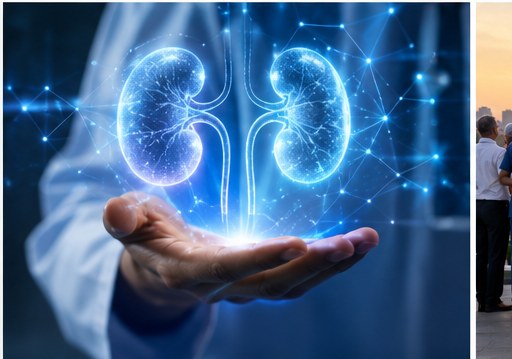
KidneyPro explains emerging kidney research, new treatments, transplant innovation, clinical trials and future technologies in language patients and families can understand.
KidneyPro’s research center is designed to help patients and families understand new developments without turning every headline into a promise. We will separate established practice, emerging evidence, early-stage research and experimental technologies.
We explain what a study actually shows, what it does not show, whether the evidence has been replicated, and what questions patients should ask their medical team.
Medicines, devices and care approaches that may change kidney outcomes.
Donor safety, paired exchange, organ preservation, immunology and transplant outcomes.
Emerging technologies, clearly labeled by development stage.
Risk prediction, clinical decision support and the limits of medical AI.

Every research summary should answer four questions: What was studied? How strong is the evidence? Does it change current care? What should a patient ask their clinician?
We will explain trial phases, eligibility, potential benefits, risks, costs and questions to ask before participation. KidneyPro does not enroll patients in trials or guarantee access to experimental therapies.
Whenever possible, KidneyPro will link readers to official agencies, trial registries, peer-reviewed publications and established kidney organizations rather than relying on promotional summaries.
This page is structured to become a living medical-news archive. New items should be published only after source review, with the publication date, source link, plain-language summary and a clear label such as Established Care, Emerging Evidence or Early Research.
A promising headline is not the same as a treatment proven to help patients. Good interpretation asks what was studied, in whom, for how long and whether the outcome actually matters to people living with kidney disease.
A laboratory experiment, animal study, observational study and randomized clinical trial answer different questions. Early evidence can be important without being ready for clinical use.
A change in a laboratory marker may not equal fewer hospitalizations, slower kidney failure or longer life. Ask whether the study measured outcomes that matter to patients.
One study rarely settles a medical question. Guidelines and practice usually change after results are replicated, reviewed with other evidence and weighed for benefits, harms and feasibility.